Quakers in Britain
The Peaceful Classroom Project
Helping schools teach children to communicate effectively, build positive relationships, and resolve conflict peacefully.
The Peaceful Classroom Project has two strands: classroom programmes and teacher training and advocacy.
We are delivering eight-week peace education programmes in two primary schools in Wales and one in the north of England. These pilot courses are designed to demonstrate the effectiveness of a range of peace education resources and approaches, including Peacemakers’ Peace Education toolkit, Learning for Peace, which provides activities, games and approaches covering four interrelated themes– peace with myself, peace between us, peace among us, and peace in the world.
We are also focusing on teacher training and advocacy, to spread awareness of peace education pedagogy and to inspire educators and policy makers to embed peace education in classrooms across Britain.
Who we are
Quakers are a faith group with a long tradition of promoting peace and equality in education. Today, Quakers in Britain supports educators with training, resources and advocacy, working alongside a diverse movement for peace education.
The Peaceful Classroom Project grew from our partnership with Peacemakers, known formally as The West Midlands Quaker Peace Education Project, a small charity with nearly 40 years’ experience, dedicated to sharing skills and strategies to grow peace in schools and communities.
Our approach
We recognise a real need amongst teachers and children for practical ways to help build more peaceful classrooms and communities. The Peaceful Classroom Project seeks to address this by sharing peace education methodology and building support for these approaches.
Peace education addresses issues at multiple levels, from personal wellbeing, to interpersonal conflict, to community concerns and issues of global justice. Learning for Peace helps children develop empathy, emotional literacy, and communication skills through circle-based learning. It integrates trauma-informed and anti-oppressive practices, making it relevant for all schools. We also draw on other tried and tested peace education methodologies for building social and emotional skills.
Classroom programmes
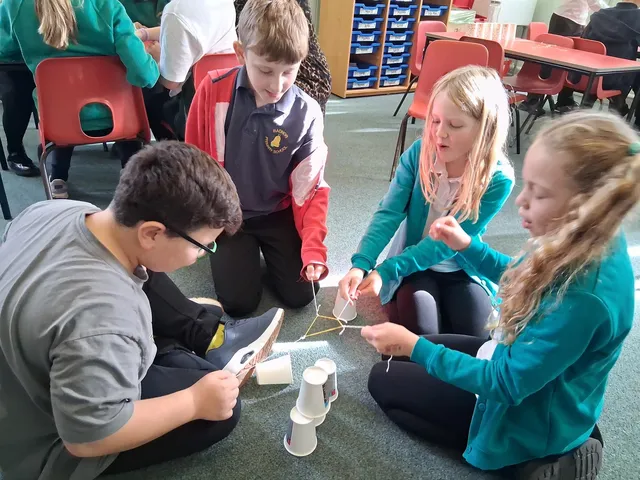
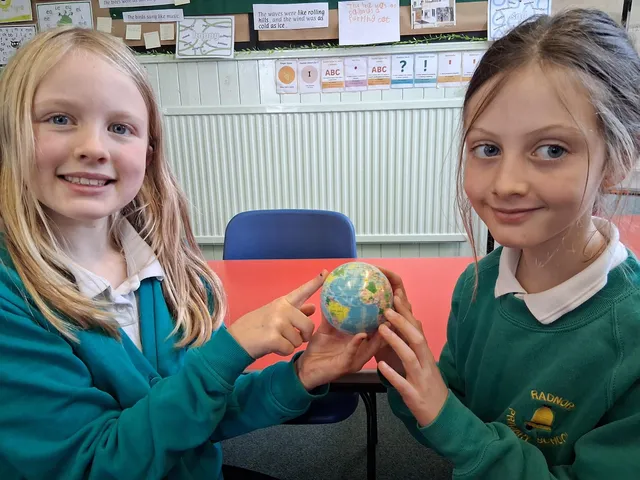
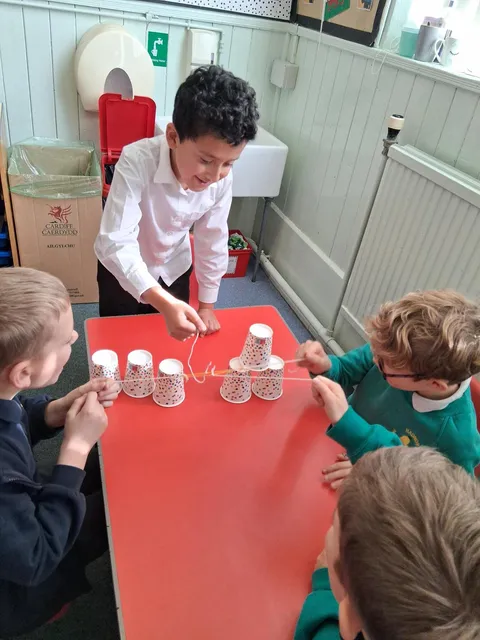
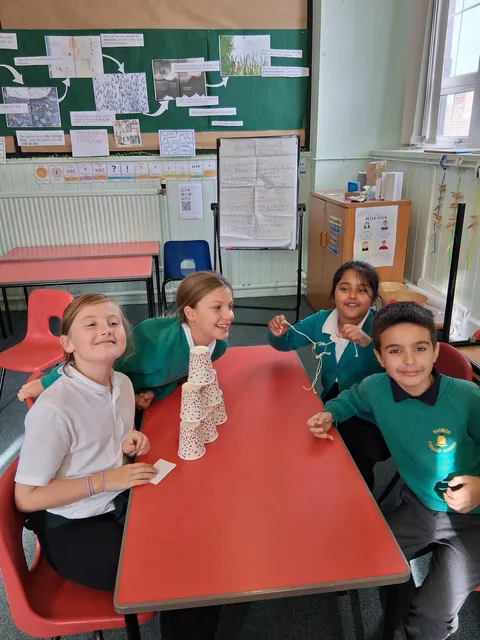
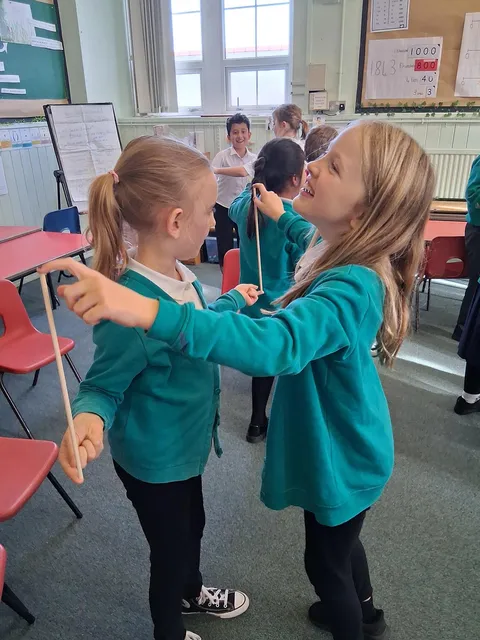
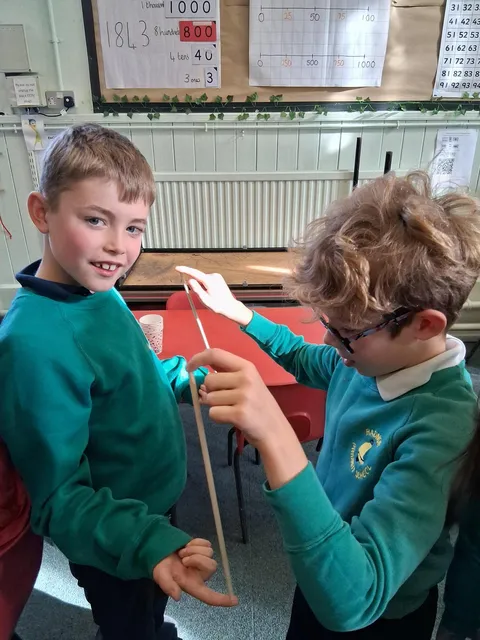
Our first programme ran at Radnor Primary School, Cardiff, in partnership with the Welsh Centre for International Affairs (WCIA) and Peacemakers. Year 4 pupils improved their listening and empathy skills, developed their understanding of conflict and practised de-escalation. They enjoyed affirming each other, recognising what they appreciated about their peers on the ‘magic carpet’!
Teachers said, “We’d love all of our KS2 pupils and staff to access these workshops!”
Next steps:
The Peaceful Classroom Project has two strands: classroom programmes and teacher training and advocacy.
We are delivering eight-week peace education programmes in two primary schools in Wales and one in the north of England. These pilot courses are designed to demonstrate the effectiveness of a range of peace education resources and approaches, including Peacemakers’ Peace Education toolkit, Learning for Peace, which provides activities, games and approaches covering four interrelated themes– peace with myself, peace between us, peace among us, and peace in the world.
We are also focusing on teacher training and advocacy, to spread awareness of peace education pedagogy and to inspire educators and policy makers to embed peace education in classrooms across Britain.
Who we are
Quakers are a faith group with a long tradition of promoting peace and equality in education. Today, Quakers in Britain supports educators with training, resources and advocacy, working alongside a diverse movement for peace education.
The Peaceful Classroom Project grew from our partnership with Peacemakers, known formally as The West Midlands Quaker Peace Education Project, a small charity with nearly 40 years’ experience, dedicated to sharing skills and strategies to grow peace in schools and communities.
Our approach
We recognise a real need amongst teachers and children for practical ways to help build more peaceful classrooms and communities. The Peaceful Classroom Project seeks to address this by sharing peace education methodology and building support for these approaches.
Peace education addresses issues at multiple levels, from personal wellbeing, to interpersonal conflict, to community concerns and issues of global justice. Learning for Peace helps children develop empathy, emotional literacy, and communication skills through circle-based learning. It integrates trauma-informed and anti-oppressive practices, making it relevant for all schools. We also draw on other tried and tested peace education methodologies for building social and emotional skills.
Classroom programmes
Our first programme ran at Radnor Primary School, Cardiff, in partnership with the Welsh Centre for International Affairs (WCIA) and Peacemakers. Year 4 pupils improved their listening and empathy skills, developed their understanding of conflict and practised de-escalation. They enjoyed affirming each other, recognising what they appreciated about their peers on the ‘magic carpet’!
Teachers said, “We’d love all of our KS2 pupils and staff to access these workshops!”
Next steps:
- Deliver new courses in Wales and Manchester in spring 2026, acquiring photos and video to build case studies
- Launch bilingual Welsh/English version of Open University course Introduction to the Principles and Practices of Peace Education
- Translate Learning for Peace resources for wider use in Welsh schools
Teacher training and advocacy
Conflict and Peace (primary): West of Scotland Development Education Centre (WOSDEC) and Quakers in Britain
We ran an interactive workshop for teachers called ‘Conflict and Peace (primary)’ in partnership with West of Scotland Development Education Centre (WOSDEC). The session equipped Scottish teachers with:
- strategies for promoting a culture of peace, from dealing with conflict in the classroom to engaging empathetically with global issues
- an understanding of the role of non-violent communication within schools
- strategies for helping staff, children and young people understand and de-escalate conflict.
Participants praised the practical ideas, information, and resources provided, and left inspired to incorporate peace projects into their schools.
Citizenship Teacher Training at the Institute of Education (IoE)
We also facilitated a full day’s training on peace education theory and practice for PGCE Citizenship students at the Institute of Education.
Participants found the workshop “Impactful, engaging, empowering”. Messages they said they would take away included:
Citizenship Teacher Training at the Institute of Education (IoE)
We also facilitated a full day’s training on peace education theory and practice for PGCE Citizenship students at the Institute of Education.
Participants found the workshop “Impactful, engaging, empowering”. Messages they said they would take away included:
- “Have more confidence in openly teaching about peace.”
- “Be braver!”
Next steps
- Promote peace pedagogy in Scotland, in partnership with the Education Institute of Scotland
- Host a peace education stall at a 2026 education conference
To find our more please use these - Weblinks
Quaker Peace Education and Peace at the Heart
Peacemakers and Learning for Peace
West of Scotland Development Education Centre (WOSDEC)
Welsh Centre for International Affairs (WCIA) and Peace Schools
Quaker Peace Education and Peace at the Heart
Peacemakers and Learning for Peace
West of Scotland Development Education Centre (WOSDEC)
Welsh Centre for International Affairs (WCIA) and Peace Schools