Midlands Arts Centre
The Congregation
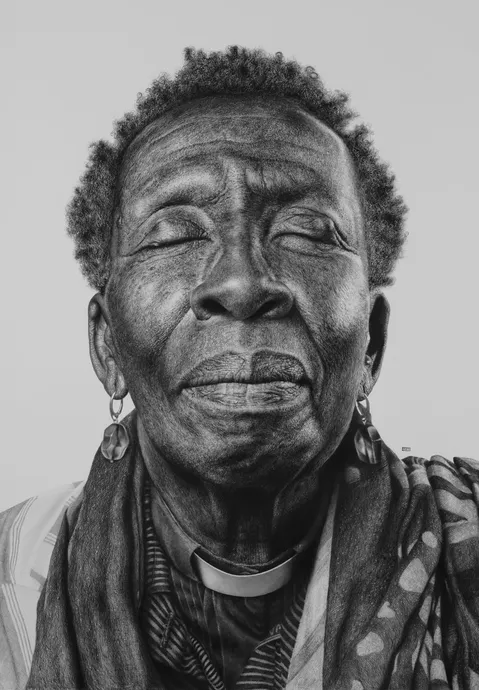
The Congregation is an arts commission by Andrew Tift creating hyper-real portraits of ordinary Birmingham people of faith, commissioned by Midlands Arts Centre (MAC) and premiered in Birmingham. Developed through sustained, respectful engagement with live sitters across 2025 and 2026, the project foregrounds lived experience, cultural identity and community connection rather than institutional status. Culminating in a major free exhibition and public learning programme at MAC from January to April 2027, the work offers a human, grounded portrayal of faith in the context of rising divisive misinformation and social division.
Midlands Arts Centre (MAC) is Birmingham’s leading contemporary arts centre, situated in Cannon Hill Park and welcoming more than 800,000 visits each year. MAC has a strong track record of commissioning artists to create new work for public exhibition, particularly within the visual arts alongside performance and participation programmes. The centre prioritises inclusive access, meaningful engagement, and programmes rooted in the lived experiences of Birmingham’s diverse communities. MAC works closely with artists, faith partners, schools, and neighbourhood networks to ensure its galleries and creative spaces remain welcoming to first-time and hesitant visitors, including Deaf and disabled people and isolated elders.
The Congregation Project: What will happen?
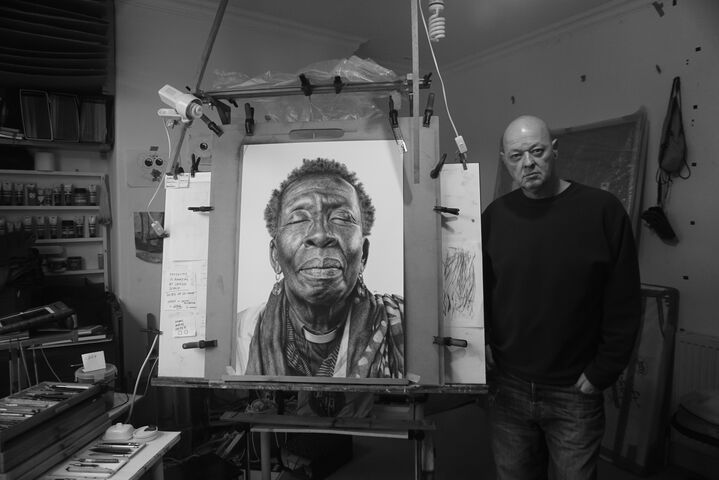
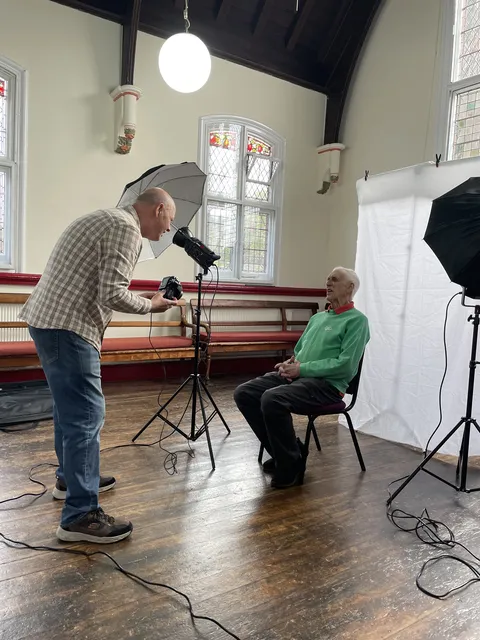
With the generosity of Westhill Endowment, MAC has commissioned Black Country artist Andrew Tift to create thirty hyper-real portrait drawings of ordinary Birmingham and West Midlands residents whose faith shapes their daily lives. Portrait sittings across 2025 and 2026 will take place in familiar community and faith settings so the artworks grow out of real encounters rather than institutional contexts. The finished works will be premiered in MAC Arena Gallery in a major free three-month exhibition from January to April 2027. A participation programme will include topics such as Women in Faith and LGBTQ+ & Faith panels, and artist-led portrait workshops and masterclasses, with a film featuring the sitters shown onsite and shared online.
Why it is important
The commission deliberately foregrounds lived experience, cultural identity, and community connection, presenting faith as a human and contemporary part of civic life. Birmingham’s exceptional religious diversity is rarely represented through major portraiture, and the project gives visibility to carers, elders in their 70s and 80s, Deaf and disabled activists, newly arrived residents, artists, musicians, and everyday worshippers whose belief fosters resilience and generosity. In the face of rising misinformation and the social tensions exposed by the violent disorder and riots in August 2024, the portraits offer a grounded and hopeful counter-narrative that encourages pride in community spirit and condemns division and hate.
Who benefits and what is the legacy:
The primary beneficiaries are Birmingham and West Midlands residents, particularly people of faith who are seldom visible in galleries. Public audiences at MAC, estimated at over 30,000 visits, will encounter the works in a free, accessible environment. The portraits and interviews will be expanded through a printed catalogue, an accompanying film, and potential touring to other galleries and places of worship, creating a lasting public record of Birmingham’s living faith communities at a time of profound social change.
The project is designed to be reflective, intergenerational, and community-rooted, nurturing local creativity and opportunities for people to make and do together with the exhibition as the backdrop.
Midlands Arts Centre (MAC) is Birmingham’s leading contemporary arts centre, situated in Cannon Hill Park and welcoming more than 800,000 visits each year. MAC has a strong track record of commissioning artists to create new work for public exhibition, particularly within the visual arts alongside performance and participation programmes. The centre prioritises inclusive access, meaningful engagement, and programmes rooted in the lived experiences of Birmingham’s diverse communities. MAC works closely with artists, faith partners, schools, and neighbourhood networks to ensure its galleries and creative spaces remain welcoming to first-time and hesitant visitors, including Deaf and disabled people and isolated elders.
The Congregation Project: What will happen?
With the generosity of Westhill Endowment, MAC has commissioned Black Country artist Andrew Tift to create thirty hyper-real portrait drawings of ordinary Birmingham and West Midlands residents whose faith shapes their daily lives. Portrait sittings across 2025 and 2026 will take place in familiar community and faith settings so the artworks grow out of real encounters rather than institutional contexts. The finished works will be premiered in MAC Arena Gallery in a major free three-month exhibition from January to April 2027. A participation programme will include topics such as Women in Faith and LGBTQ+ & Faith panels, and artist-led portrait workshops and masterclasses, with a film featuring the sitters shown onsite and shared online.
Why it is important
The commission deliberately foregrounds lived experience, cultural identity, and community connection, presenting faith as a human and contemporary part of civic life. Birmingham’s exceptional religious diversity is rarely represented through major portraiture, and the project gives visibility to carers, elders in their 70s and 80s, Deaf and disabled activists, newly arrived residents, artists, musicians, and everyday worshippers whose belief fosters resilience and generosity. In the face of rising misinformation and the social tensions exposed by the violent disorder and riots in August 2024, the portraits offer a grounded and hopeful counter-narrative that encourages pride in community spirit and condemns division and hate.
Who benefits and what is the legacy:
The primary beneficiaries are Birmingham and West Midlands residents, particularly people of faith who are seldom visible in galleries. Public audiences at MAC, estimated at over 30,000 visits, will encounter the works in a free, accessible environment. The portraits and interviews will be expanded through a printed catalogue, an accompanying film, and potential touring to other galleries and places of worship, creating a lasting public record of Birmingham’s living faith communities at a time of profound social change.
The project is designed to be reflective, intergenerational, and community-rooted, nurturing local creativity and opportunities for people to make and do together with the exhibition as the backdrop.
The exhibition will take place between January and April 2027. For more information about MAC please see their website by clicking here.