Latymer Community Church
Project Hope
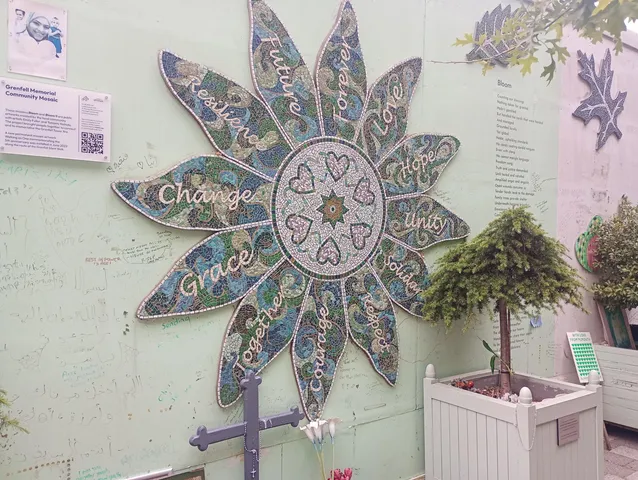
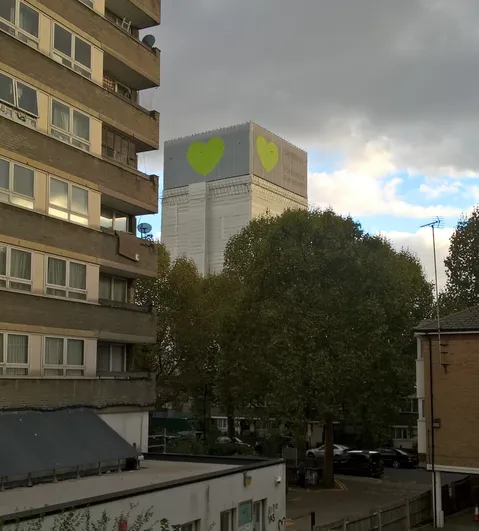
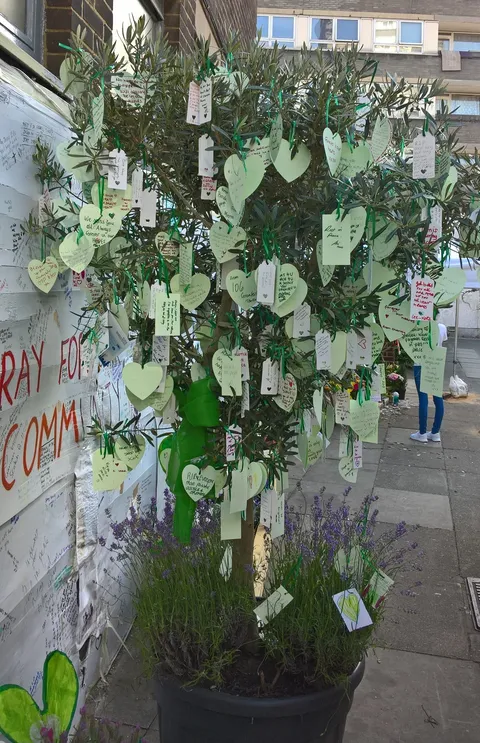
Project Hope: a community movement for change has arisen from the atrocity of the Grenfell Tower Fire where 72 precious people lost their lives. Nine years after the fire we are still facing many challenges, yet there is hope.
Our project builds on the strong relationships that have grown amongst community leaders as we have suffered and served together. We are passionate about bringing healing and reconciliation amongst our community. We want to create space to lament our loss, celebrate our strengths and dream dreams for a better future. We will then make plans to turn them into reality.
Why?
The Grenfell Tower fire continues to shape the life of our community in deep and lasting ways. Kensington and Chelsea has long been a borough of stark contrasts, with some of the country’s widest gaps in health, wealth, and opportunity. Even before the fire, relationships between North Kensington residents and the Council were strained.
The Council’s role in the failures that led to the disaster — and the deeply inadequate response in the days that followed — caused profound and lasting harm. This has been especially painful for many of us who also rely on the Council as our landlord.
Alongside this, our community itself carries complex relational challenges. People have been treated differently depending on where they live, and experiences around the Tower vary widely. Understandably, this has led to a range of perspectives, emotions, and tensions that continue to affect everyday life.
Who?
The project lead, Mary, is on the leadership team at Latymer Community Church, a small church right across the road from Grenfell Tower. We were already a trusted community organisation and were among the first to respond on the night of the fire, and have been standing with our community ever since.
We work closely with others who share our hope for healing — from local faith leaders and Residents’ Associations to the Grenfell Health and Wellbeing Service and our local councillors. The application to Westhill was a collaborative effort with the CEO of the Al-manaar Muslim Cultural Heritage Centre and one of our local councillors.
What?
Project Hope involves up to six sessions with a small working group of community leaders to look honestly at our past grief, present challenges, and future hope:
1. Sitting with our grief
A gentle, safe space to talk about how Grenfell has affected us — personally and as a community. A chance to name our losses, express difficult emotions, and acknowledge the pain we still carry.
2. Standing together
We’ve been through so much, and yet strong, unexpected relationships have grown along the way. This is a moment to celebrate who we are now, the people we’re walking with, and the good that has come from our shared journey.
3. Stepping forward with hope
There are real signs of hope around us, and many people of peace in our community. Together we’ll explore what change we long to see, who we can partner with locally and beyond, and what practical steps and activities can help us move towards that future.
Our project builds on the strong relationships that have grown amongst community leaders as we have suffered and served together. We are passionate about bringing healing and reconciliation amongst our community. We want to create space to lament our loss, celebrate our strengths and dream dreams for a better future. We will then make plans to turn them into reality.
Why?
The Grenfell Tower fire continues to shape the life of our community in deep and lasting ways. Kensington and Chelsea has long been a borough of stark contrasts, with some of the country’s widest gaps in health, wealth, and opportunity. Even before the fire, relationships between North Kensington residents and the Council were strained.
The Council’s role in the failures that led to the disaster — and the deeply inadequate response in the days that followed — caused profound and lasting harm. This has been especially painful for many of us who also rely on the Council as our landlord.
Alongside this, our community itself carries complex relational challenges. People have been treated differently depending on where they live, and experiences around the Tower vary widely. Understandably, this has led to a range of perspectives, emotions, and tensions that continue to affect everyday life.
Who?
The project lead, Mary, is on the leadership team at Latymer Community Church, a small church right across the road from Grenfell Tower. We were already a trusted community organisation and were among the first to respond on the night of the fire, and have been standing with our community ever since.
We work closely with others who share our hope for healing — from local faith leaders and Residents’ Associations to the Grenfell Health and Wellbeing Service and our local councillors. The application to Westhill was a collaborative effort with the CEO of the Al-manaar Muslim Cultural Heritage Centre and one of our local councillors.
What?
Project Hope involves up to six sessions with a small working group of community leaders to look honestly at our past grief, present challenges, and future hope:
1. Sitting with our grief
A gentle, safe space to talk about how Grenfell has affected us — personally and as a community. A chance to name our losses, express difficult emotions, and acknowledge the pain we still carry.
2. Standing together
We’ve been through so much, and yet strong, unexpected relationships have grown along the way. This is a moment to celebrate who we are now, the people we’re walking with, and the good that has come from our shared journey.
3. Stepping forward with hope
There are real signs of hope around us, and many people of peace in our community. Together we’ll explore what change we long to see, who we can partner with locally and beyond, and what practical steps and activities can help us move towards that future.
To find out more about Latymer Community Church click here see their website.
To find out more about Project Hope email Mary by clicking here.